
Entrevistamos a THE ALLERGIES
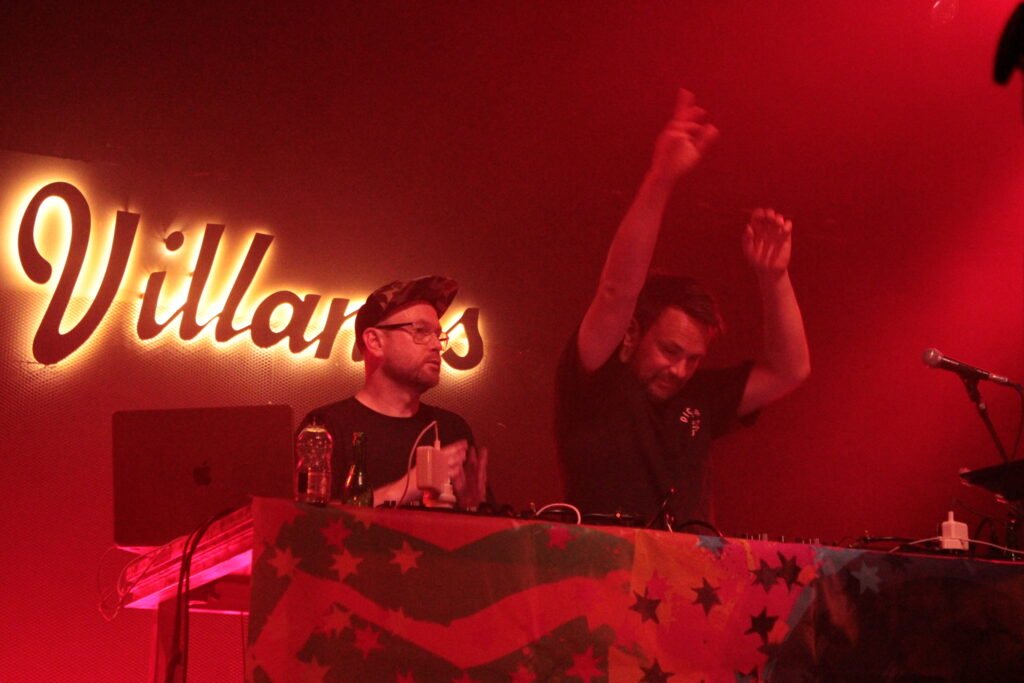
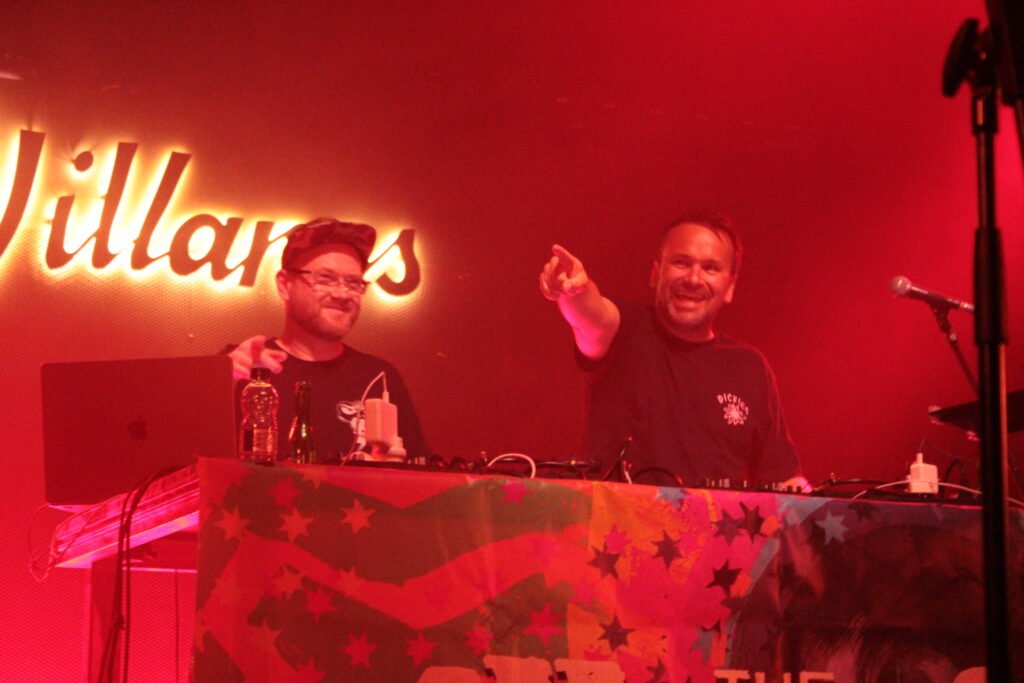
El dúo británico de DJs y productores The Allergies (formado por DJ Moneyshot y Rackabeat) lleva desde 2016 redefiniendo el sonido de las pistas de baile a base de rescatar joyas del soul y el funk clásico para inyectarles una contundente base de hip-hop. Sin embargo, su propuesta ha trascendido las cabinas de DJ para convertirse en una auténtica apisonadora en vivo.
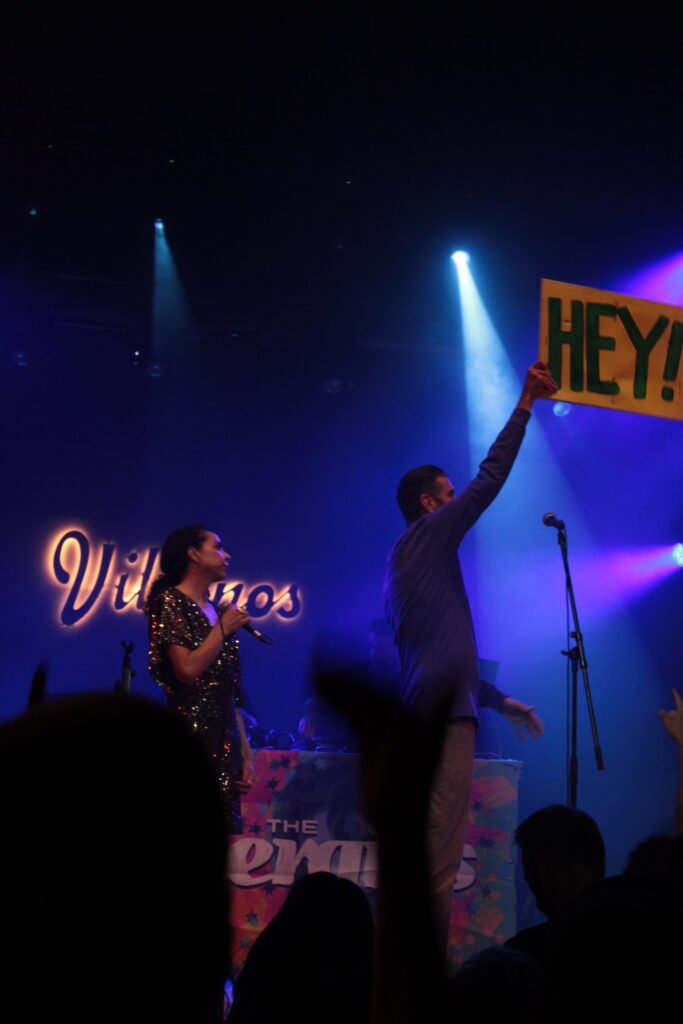
Aprovechando su paso por la Sala Villanos de Madrid el pasado 25 de junio, nos sentamos a charlar con Roy (DJ Moneyshot) y el legendario MC angelino Andy Cooper. Hablamos sobre el reto de trasladar los samples de estudio a una banda con músicos en directo, la búsqueda constante de la inspiración y, por supuesto, nos adelantaron en primicia los detalles de su inminente octavo álbum de estudio.
Entrevista (Español)
Empezasteis como un dúo de DJs y productores, pero ahora giráis con banda junto a talentos increíbles como Andy Cooper, Marietta Smith y James Morton. ¿Cómo cambia la dinámica de un tema cuando lo sacáis del estudio y lo montáis para el directo?
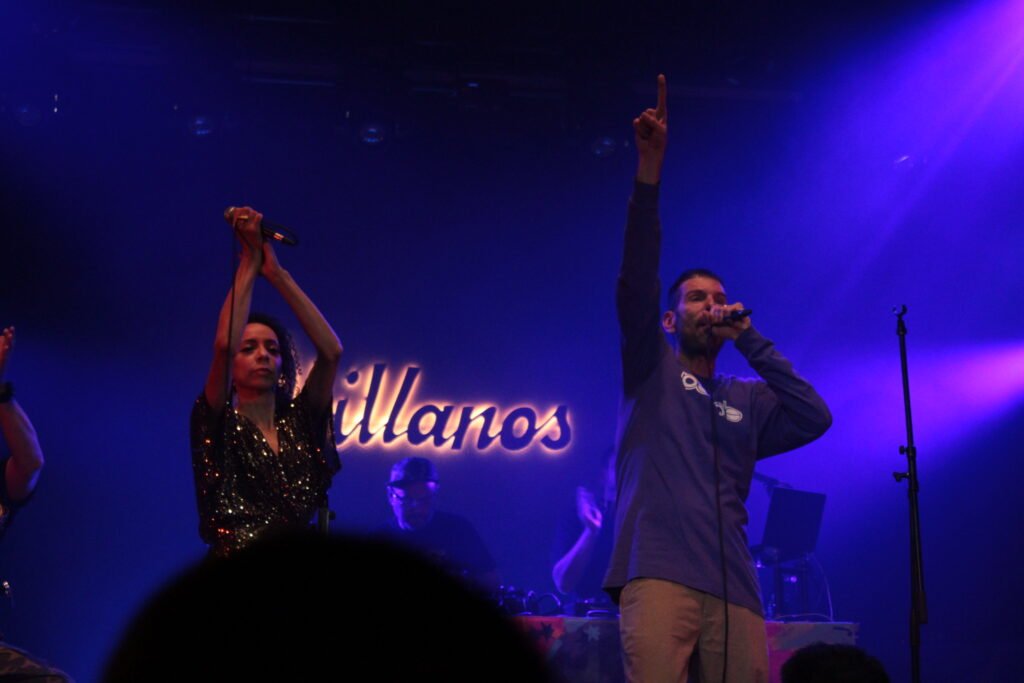
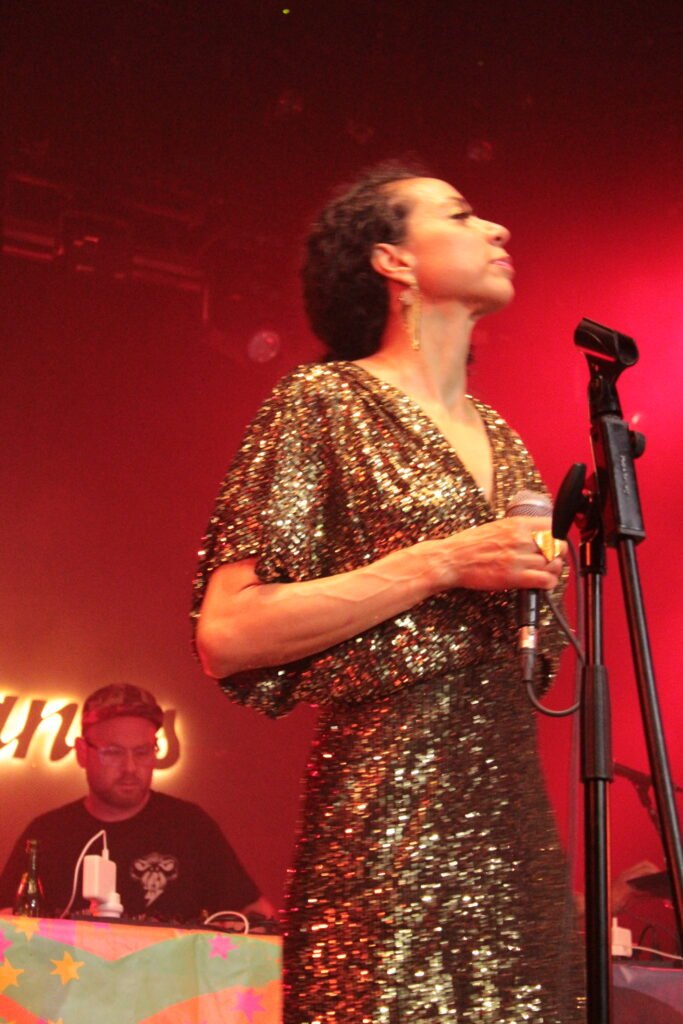
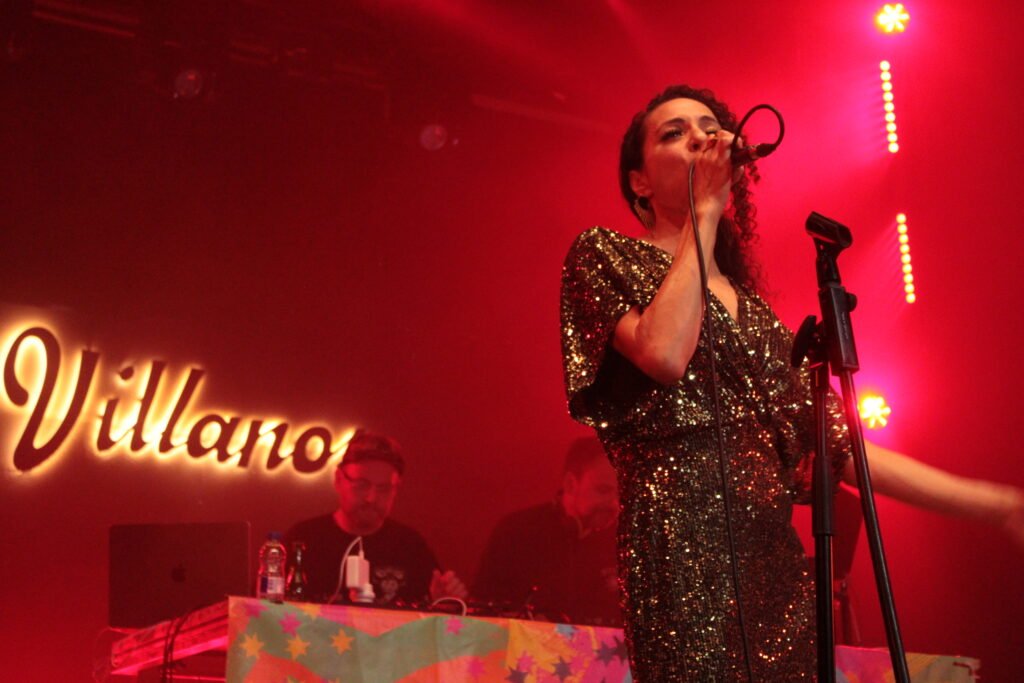
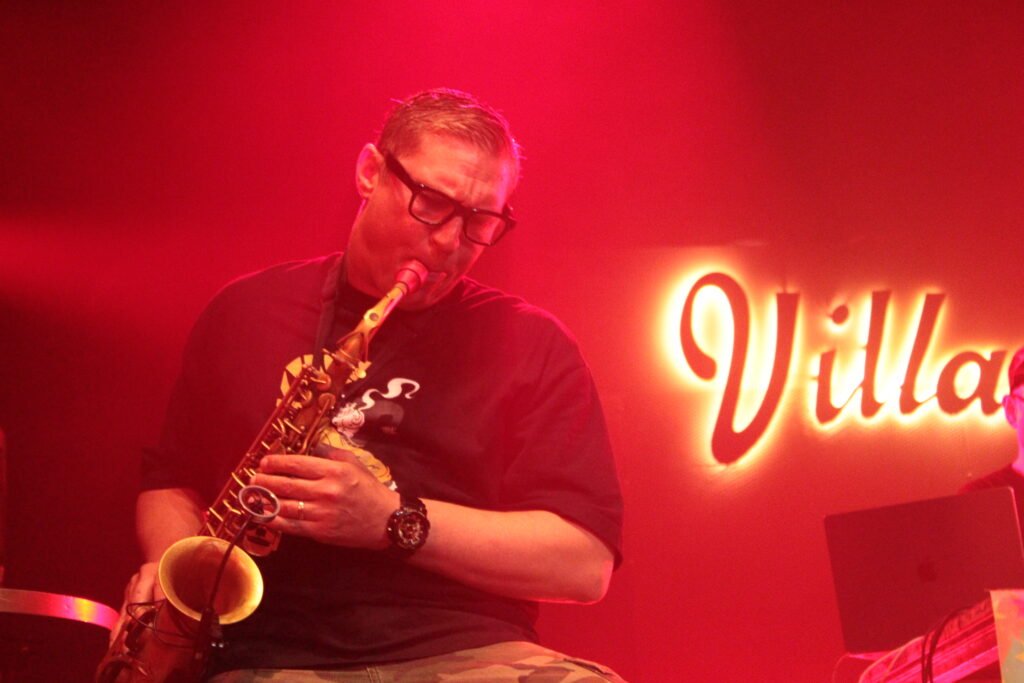
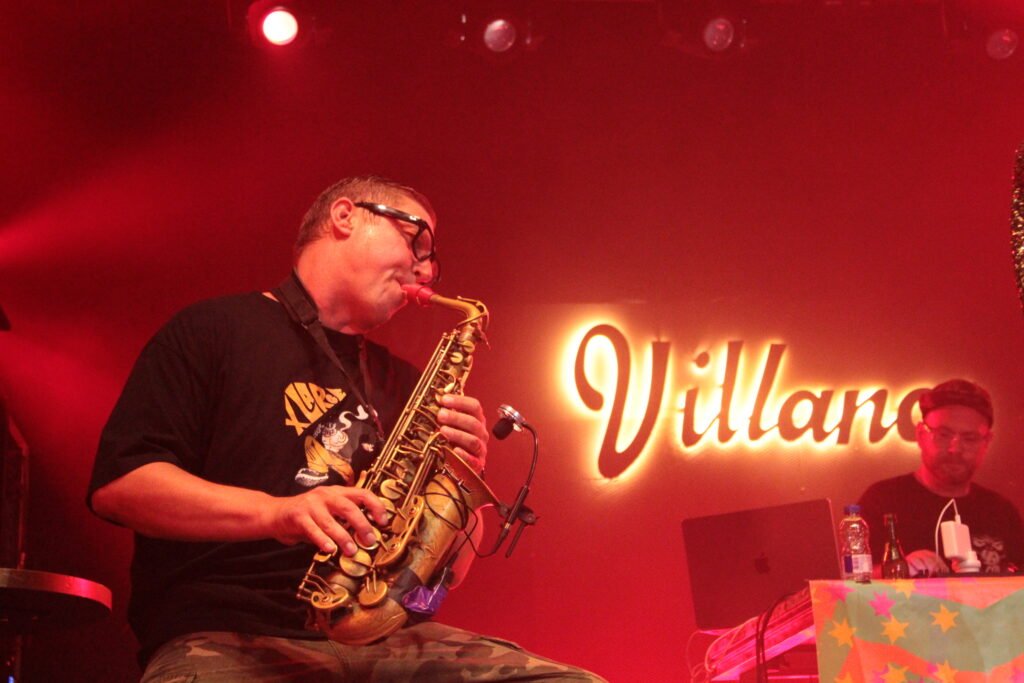
Roy (DJ Moneyshot): En lo que respecta al directo, Andy tiene muchísima experiencia, así que él es quien piensa en cómo trasladar al escenario muchas de las canciones que hacemos juntos, que en principio no estaban pensadas para tocarse en vivo con músicos adicionales. Por ejemplo, Marietta puede cantar lo que originalmente era un sample vocal, y James puede cubrir otro sample con el saxofón. Como James tiene ese estilo funk tan a lo James Brown, aporta una dimensión extra. En el estudio te imaginas a la gente bailando, pero la canción cobra vida de verdad con el espectáculo que Andy ayuda a montar.
Andy Cooper: A veces, las canciones que producen Roy y Adam son simplemente una serie repetitiva de samples vocales. Así que, para el show en vivo, a veces añadimos un estribillo, un puente nuevo, una sección musical distinta o un solo de saxo. Intentamos coger esa música de DJ y convertirla en un directo de funk, pero manteniéndonos fieles al estilo original. Es un poco complicado. Cada vez que veo algo parecido, o parece un grupo de hip-hop con un cantante de fondo, o parece que alguien ha cogido el hip-hop y lo ha transformado en una banda genérica. Nosotros intentamos mantener ambos mundos al mismo tiempo. Además, el directo funciona como una mixtape. Todo fluye; cuando termina una canción, es solo para preparar la siguiente.
Vuestros shows tienen una intensidad altísima. Con el desgaste de las giras y los viajes, ¿cómo hacéis para mantener ese nivel de energía? ¿Tenéis algún ritual?
Roy: Bueno, Marietta, nuestra vocalista, está ahora mismo detrás de nosotros en el camerino durmiendo una siesta (risas). Ella sabe cómo conservar su energía y hace gárgaras con miel y esas cosas, mientras que nosotros quemamos un poco la vela por los dos extremos. Si estoy en un hotel con Andy, nos quedamos despiertos toda la noche hablando. Si James está por ahí tomándose algo, esa es su forma de relajarse.
Andy: Creo que, con los años, lo más difícil no es el físico, sino mantener la agudeza creativa para no repetirte. Cuando una banda empieza a perder la inspiración, simplemente repite fórmulas. Cuando estás emocionado, te importan los detalles: «Oh, ese puente deberíamos hacerlo el doble de largo o cambiar esta capa». Para mí, mantener esa chispa es mucho más difícil que mantenerme despierto en la gira.
A veces en el estudio pensáis «este va a ser el hit» y luego el público conecta con otra canción inesperada. ¿Os ha pasado esto con alguna canción en concreto?
Roy: Hicimos un tema llamado Rock Rock que queríamos que fuera lo bastante intenso como para reventar cualquier festival, y la verdad es que funcionó. Pero luego hay otras cosas más personales como God Walk Down que también tienen intensidad, pero al final, cuando lanzas algo, está en manos de la gente. No puedes decirles lo que les tiene que gustar. Cuando hay presión sobre una canción, se huele. Sin embargo, las cosas que fluyen sin esfuerzo simplemente funcionan… casi no tienes que ajustar nada. A veces, si le das vueltas a algo durante semanas, terminas matando la frescura.
Lleváis una racha increíble de lanzamientos, con siete discos desde 2016. Sabiendo que Freak The Speaker salió en 2024 y que no habéis parado de sacar singles en 2025 y 2026… ¿Estáis ya trabajando en el próximo álbum?
Roy: El próximo álbum ya está prácticamente terminado, hemos ido sacando los singles poco a poco. Se titulará Beneath This Sun y saldrá a la luz el 16 de octubre; será nuestro octavo disco. ¡Y ya tenemos 30 pistas para los siguientes proyectos! Si tuvieras un trabajo de oficina de nueve a cinco, trabajarías así de duro. Como creador de ritmos, no existe realmente el bloqueo del escritor porque siempre encuentras samples que te inspiran.
Andy: Tenemos la suerte de tener una relación continua con un solo sello discográfico, lo cual hace que sea muy fácil mantener el catálogo unido y publicar material con tanta frecuencia.
Para ir cerrando, si pudierais haber sido los compositores de la banda sonora de cualquier película de la historia, ¿cuál elegiríais?
Roy: Tendría que ser Caddyshack (El club de los chalados). O me encantaría remezclar la banda sonora de El Bueno, el Feo y el Malo de Ennio Morricone. O 8½ de Fellini.
Andy: Y respecto a Morricone, lo más surrealista para un estadounidense al ver esas películas rodadas en España es que hay soldados de la Guerra Civil Americana… ¡en el desierto de Almería! Históricamente está todo mal, pero tiene algo que lo hace maravillosamente incorrecto.

Si tuvierais que describir vuestra evolución musical, desde lo que sonaba en el coche de vuestros padres hasta hoy…
Roy: Nací en Escocia, así que escuchábamos cintas del cómico escocés Billy Connolly; había elementos de folk y comedia. Luego pasé por Michael Jackson, el inicio de Blur y EMF. Más tarde conseguí una cinta que tenía EMF por un lado y N.W.A. por el otro. Me metí en el hip-hop, luego en las recopilaciones de electro de mediados de los 90 descubriendo de dónde venían los samples. Después llegó el turntablism, el trip-hop, Ninja Tune…
Andy: En mi caso, mi padre tocaba música bluegrass en la iglesia. Creo que cuanto mayor te haces, menos a la defensiva estás sobre lo que es «buena o mala música», simplemente empiezas a disfrutar las cosas. En cuanto al hip-hop, crecí inmerso en esa cultura en Los Ángeles. Iba a casa de mis amigos y escuchaban un disco de los Isley Brothers… y más tarde me di cuenta de que un grupo de rap igual solo había sampleado cuatro compases de ahí, pero en ese disco entero había todo un universo musical por descubrir.

Para terminar, ¿cuál es esa anécdota surrealista de carretera que siempre acabáis contando?
Andy: Una vez tocamos en Australia en un festival llamado Pyramid Rock, en el extremo sur, frente al mar de Tasmania. Estábamos en un escenario enorme ante 20.000 personas, y el público estaba pasándose una pelota de playa gigante. En un momento dado, empujaron la pelota hacia el escenario. Mientras yo estaba rapeando, le di una patada a esa pelota gigantesca y salió volando por encima del público hacia el atardecer, y la multitud hizo un ruido ensordecedor. Me quedé pensando: «¿Cómo he llegado hasta aquí? ¿Qué hago pateando pelotas gigantes hacia la gente en Australia?».
Roy: Nosotros tocamos en Polonia en un festival masivo, el equivalente polaco a Glastonbury, pero con un público muy de heavy metal. Salimos, lo reventamos, la gente estaba a tope. Pero nos habían avisado de que exactamente a cierta hora teníamos que parar el show para guardar un minuto de silencio por los soldados caídos. Así que imagínate la escena: toda esa multitud guardando silencio, suena una salva de disparos en homenaje… y de repente me miras a mí, que tengo los platos listos, ¡y volvemos a soltar de golpe nuestro ritmo hip-hop! Fue un contraste totalmente surrealista.
Original Interview (English)
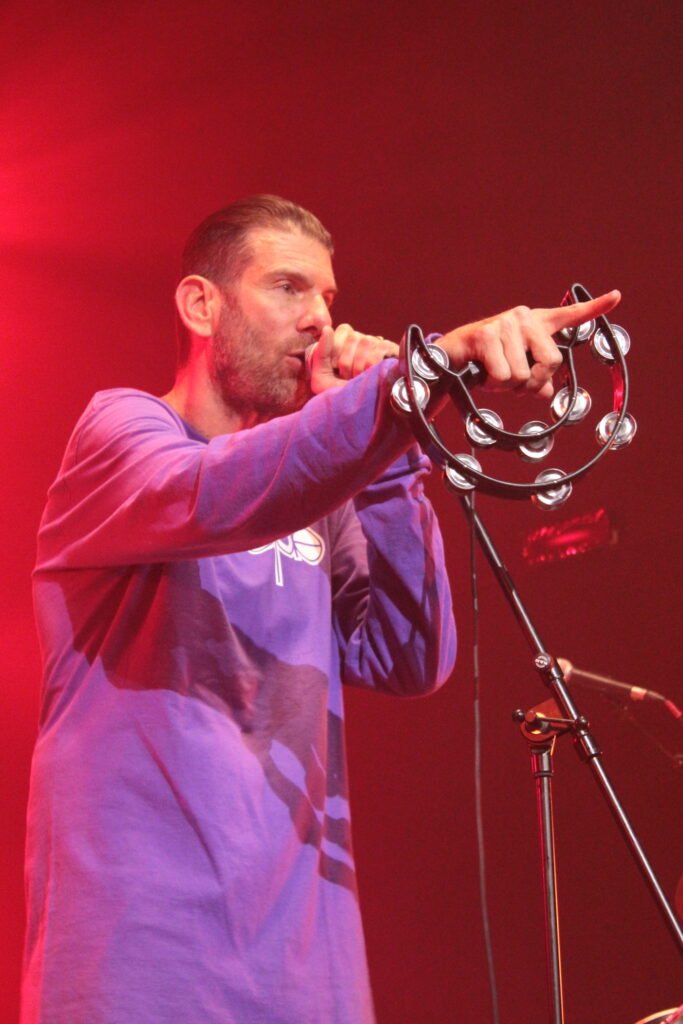
You started out as a DJ and producer duo, but now you tour with a full live band featuring amazing talents like Andy Cooper, Marietta Smith, and James Morton. How does the dynamic of a track change when you take it out of the studio and build it for a live show?
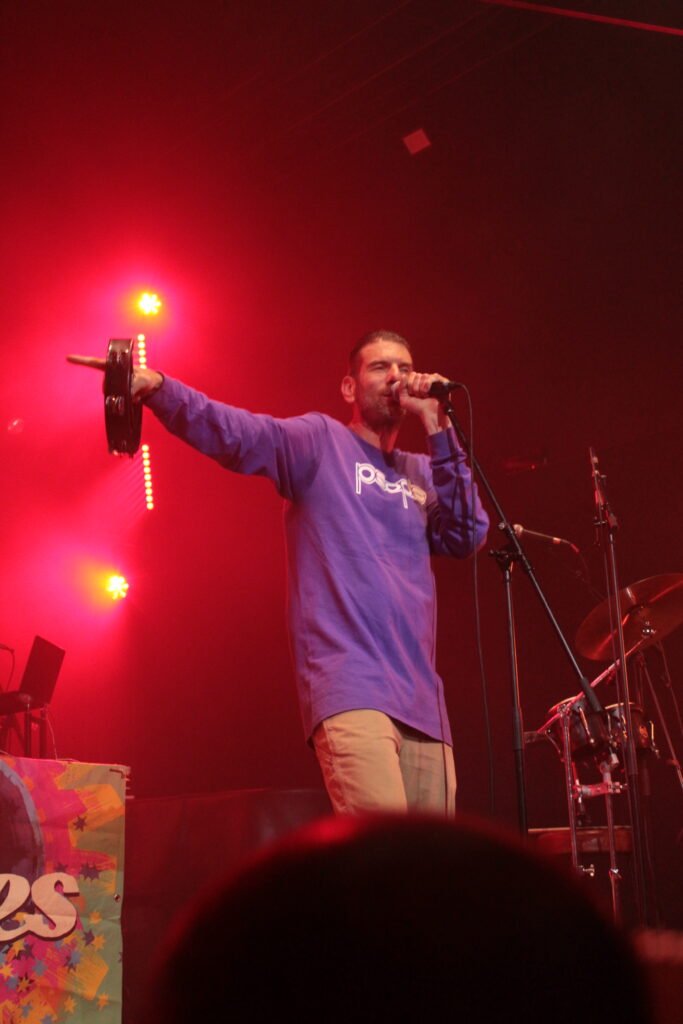
Roy: When it comes to the live show, Andy is an old hat at this, so he’s been putting it together in his head and thinking how to translate a lot of the songs we made together, which were never really meant to be performed live. Marietta might sing a sample, James might cover a sample with the sax, and his ability to play in that funk style adds that extra source. The songs we make in the studio, you kind of imagine in your head people dancing, but it really comes to life with what Andy helps develop as a stage show.
Andy: Sometimes on some songs that Roy and Adam produce, they’ll be sample songs which are a repetitive series of vocal samples. For the live show, we’ll add a chorus or a new bridge or a solo for James. Trying to take DJ music and turn it into a live funk show, but keep it true to the DJ style, is a bit tricky. Every time I’ve seen it, it either feels like a hip-hop group with a singer, or somebody’s taken hip-hop and turned it into a live band. We’re trying to keep them both at the same time. Also, the live set works a bit like a mixtape. When a song ends, it’s only to set up the next song.
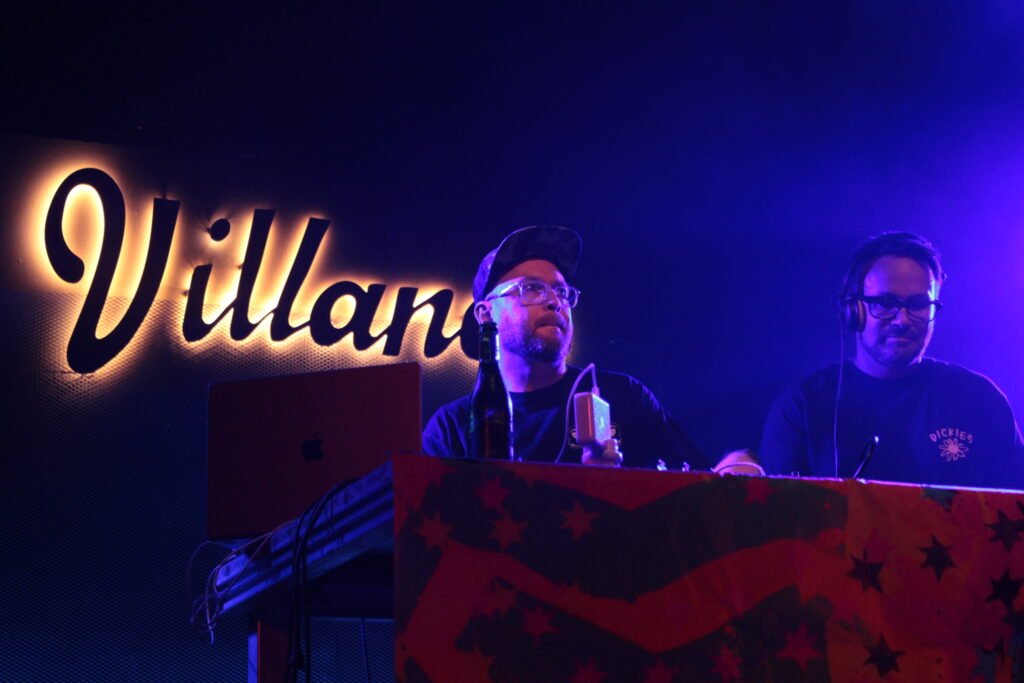
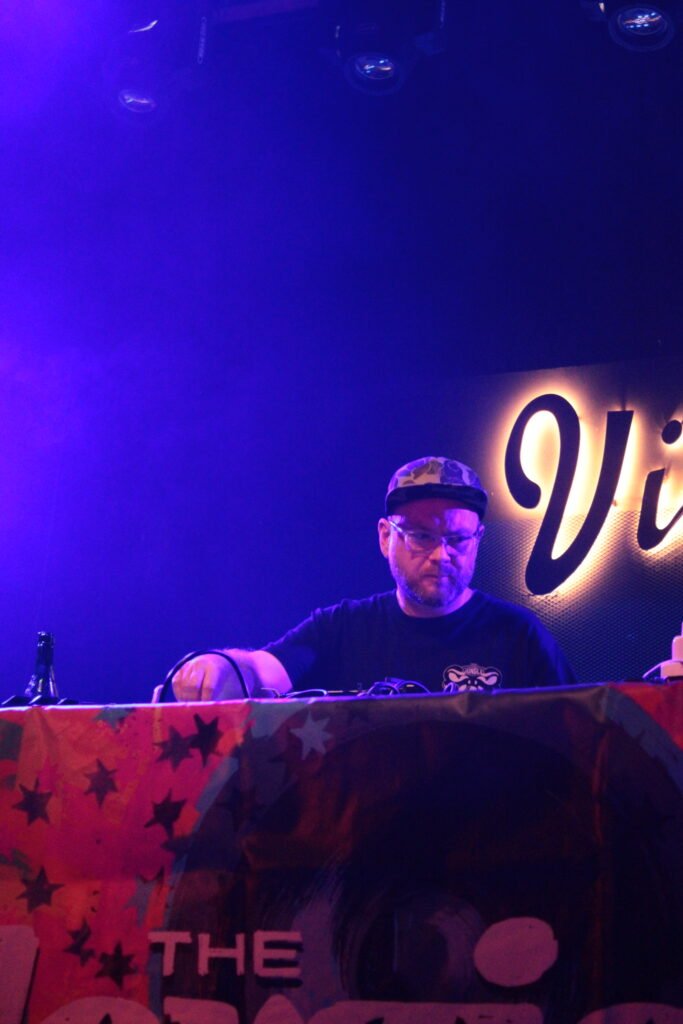
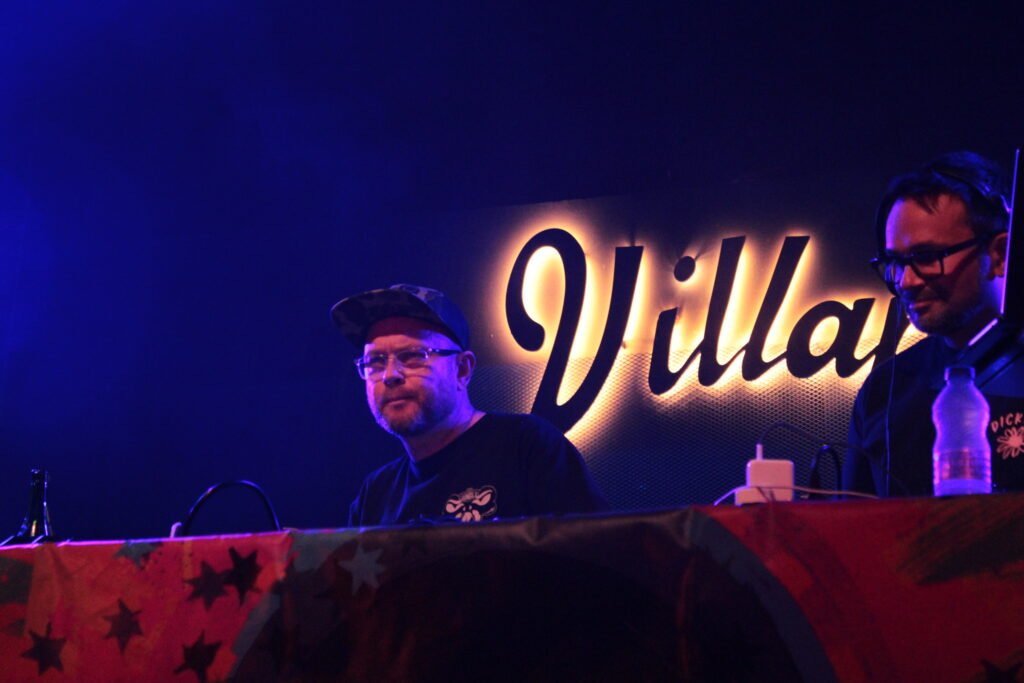
Your shows are famous for their high intensity. With the physical toll of touring, how do you maintain that level of energy every single night? Do you have any rituals?
Roy: Well, the female vocalist in our group, Marietta, is currently behind us in the green room having a sleep (laughs). She knows how to conserve her energy, whereas we may burn the candle a bit at both ends. If I’m in a hotel room with Andy, we’ll stay awake all night talking. If James is out now having a drink, that’s how he relaxes too. She might gargle with honey and things.
Andy: I think over the years, the harder part is to keep a creative edge where you don’t just repeat yourself. When a band starts to lose its inspiration, they just repeat things. When you’re excited, you care about the details. To me, keeping that edge is harder than staying awake.
Sometimes in the studio you might think, «This is the hit,» but the audience connects with something completely unexpected. Has this happened to you?
Roy: We made the track Rock Rock, we wanted it to be intense and good enough to rock any festival and that kind of paid off. And then other things which might seem more personal like God Walk Down have an intensity, but when you release anything, it’s in the hands of the people. You can’t tell them what to like. The pressure, you can smell the pressure on a certain song. Whereas something that feels effortless just happens… you hardly have to adjust anything. Anything we’ve labored over for weeks… it’s the dead hand on the rudder really sometimes.

You’ve had an incredible run of releases. Knowing that Freak The Speaker came out in 2024, and seeing that you’ve been dropping singles throughout 2025 and 2026… Are you already putting together the next album?
Roy: Well, the next album is kind of finalized. October 16 the album will be released, that’s our eighth album, it’s called Beneath This Sun. And we already got 30 tracks for the next set of projects! As a beatmaker, there’s no real writer’s block because you’re always getting turned on by samples.
Andy: We’re on a rolling contract with the label. One thing that’s really good is the Allergies have had a relationship with just one record label, so it’s very easy to keep the catalog together and put things out so frequently.
If you could have been the soundtrack composers for any movie in history, which movie would you choose?
Roy: It’d have to be Caddyshack. Or I’d love to remix the soundtrack for The Good, the Bad and the Ugly by Morricone. Or 8½ by Fellini.
Andy: About that film (The Good, the Bad and the Ugly)… the surreal part for an American is that there’s Civil War soldiers in the desert of Spain! It was all historically wrong, but something about it is so beautifully wrong.
Could you briefly describe how the music that accompanies your life has evolved from when you were kids to now?
Roy: I was born in Scotland, so we listened to Billy Connolly tapes. Some kind of folk comedy elements. Then that would move through Michael Jackson, early Blur or EMF. Then I had a tape… one side had EMF, the other side had NWA. Got into hip hop, electro compilations, trip-hop, Ninja Tune…
Andy: My dad played bluegrass music at church. The older you get, the less defensive you are about «I like this music». You just start enjoying things. I grew up more in hip-hop culture in LA. At my friend’s house they’d listen to an Isley Brothers record… later I realized a hip-hop track might have just sampled four bars from it, but there’s a whole universe on that record.


To wrap things up, what is that one curious or surreal anecdote from the road that you always end up telling?
Andy: One time we got to perform in Australia at a festival called Pyramid Rock. We’re on this huge stage, 20,000 people, and they have a gigantic beach ball they’re throwing around. At some point I’m doing a rap, they push the beach ball onto the stage, and I kick it. This massive beach ball flies over the crowd into the sunset, and this huge noise goes up. I go: «How did I get here? What am I doing kicking giant beach balls over people in Australia?»
Roy: We played in Poland once, the equivalent of Glastonbury in Poland, to a heavy metal crowd. We went on, smashed it… But they said at exactly a certain time you have to stop and do a minute of silence for the fallen soldiers. So we’re right in the middle of our show, a gun salute happens, everyone stoically looks at their feet in silence… and then you look at me, you’ve got the music ready to go on the decks, and boom, we go straight back into this goofy hip hop! It was so surreal.