
Hablamos con Steve Shiffman de su álbum ‘Be Well’ (2026), un trabajo con una melancolía y profundidad artísticas muy caracterizadas por las influencias de los años 90.
Steve Shiffman es uno de esos artesanos musicales que lleva el rock alternativo de los 90 grabado en el ADN. Desde sus inicios en la escena indie canadiense con bandas como 4-Star Movie, hasta su desembarco en la vibrante escena antifolk del Nueva York de principios de los 2000 (curtiéndose en el mítico Sidewalk Cafe), Shiffman siempre ha mantenido intacta una ética inquebrantable de hazlo-tú-mismo. Al frente de su proyecto Steve Shiffman & The Land of No, y respaldado por una banda de músicos veteranos, acaba de lanzar su nuevo álbum, Be Well.
Un disco que cabalga entre muros de guitarras melódicas que evocan a Smashing Pumpkins o Dinosaur Jr., destellos psicodélicos, folk descarnado y una enorme carga de honestidad emocional. Nos sentamos con él para desgranar los secretos de estudio y las historias que se esconden detrás de este fantástico trabajo.
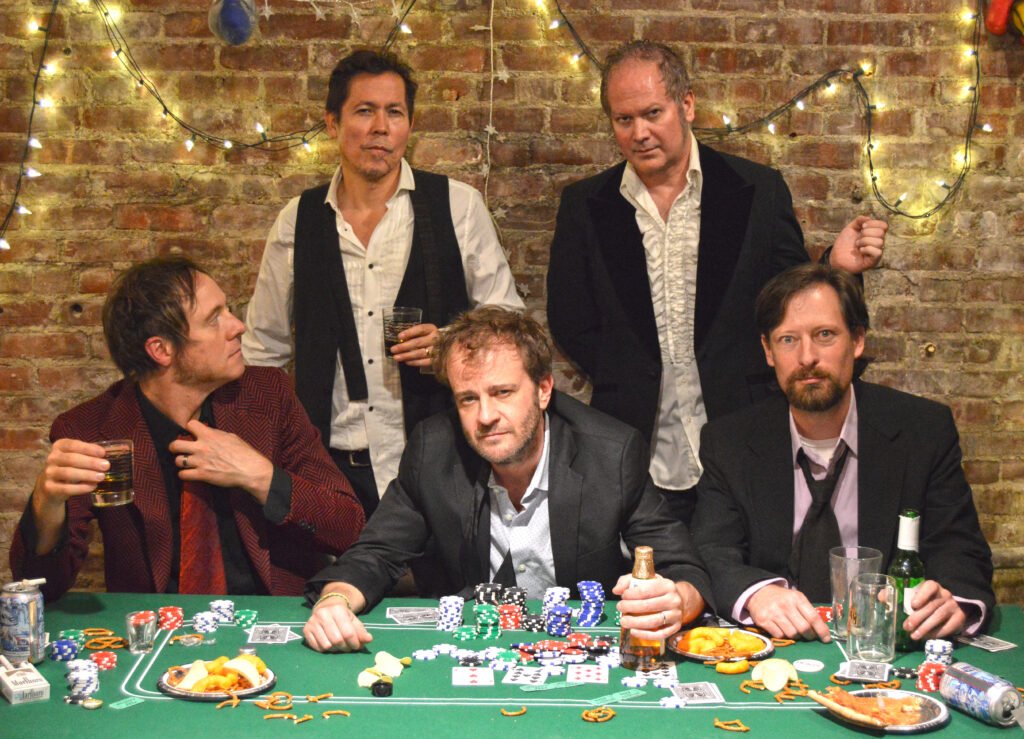
Entrevista (Castellano)
Hablando de tu arquitectura sonora, uno de los rasgos que más me llaman la atención de Be Well es lo bien construidas que están las introducciones. Entran progresivamente, presentando las melodías y creciendo poco a poco hasta que el tema arranca del todo. A la hora de hacer arreglos, ¿es algo que planeas o surge de forma natural en tu proceso?
Gracias por notarlo. Gran parte de lo que intentamos hacer es crear la atmósfera adecuada para estas canciones y luego hacer que se presenten de una forma interesante. Depende mucho del tema. A veces la idea fluye de una introducción que te lleva a un sitio concreto, y otras veces es más un: «Vale, vamos a potenciar esta canción con una intro interesante». Por ejemplo, en la canción «You Might Be Surprised», esa intro se escribió después de que el cuerpo de la canción ya hubiera tomado forma. Fue casi una idea de usar y tirar: «Oye, ¿qué pasaría si nos quedáramos con esta idea durante un tiempo casi doloroso, como si fuera un mantra?». Lo probamos, funcionó y literalmente la grabamos poco después. Así que a veces es una idea de última hora, y otras forma parte de la planificación.
Tengo una pregunta precisamente sobre ese tema, «You Might Be Surprised». Funciona casi como un mantra, utilizando frases muy repetitivas que se meten en la cabeza del oyente y crean una conexión íntima. ¿Qué te llevó a esa estructura tan hipnótica?
Buena pregunta. Creo que tiene que ver con la temática. La mayoría de las canciones del disco hablan de mi barrio y de mis experiencias en un periodo de tiempo muy corto. Esa canción en concreto tiene un poco más de peso emocional que el resto, así que me pareció correcto darle una base que se sintiera más densa. Cuando repites una frase una y otra vez, llegas a un punto en el que el oyente piensa: «Vale, quizá aquí esté pasando algo más». Quería centrarme en eso. En el fondo, la idea es: «Oye, te sorprenderías si estuvieras aquí conmigo ahora, si pudieras ver lo que yo veo». Era algo que necesitaba repetir constantemente.
Escuchando Be Well, reconocí una influencia muy clara del rock alternativo de los 90. Es la columna vertebral del álbum, salvando cortes como el cuarto o el último. ¿Fue una decisión consciente basar la identidad sonora en ese sonido noventero, o simplemente es algo que llevas codificado en tu forma de hacer música?
Ese es el mundo del que vengo: el indie rock y la música alternativa de los 90. Y esa música está inspirada en el power pop de los 70, que a su vez se inspira en el folk y la psicodelia de los 60; todo es una gran corriente continua. Así que no me sorprende que veas esos tintes de indie rock noventero porque esa es mi tierra natal. Las bandas que tuve en los 90 y los 2000 iban por esa línea y es algo que llevo conmigo a todas partes. Los músicos que me acompañan también vienen de ese trasfondo. Me encanta esa época, sigo descubriendo cosas geniales de aquel periodo, así que es normal que se acabe contagiando al disco.
Eres un multiinstrumentista muy completo (teclas, guitarra, bajo, voz…). Cuando estás componiendo, ¿te encierras en el estudio y lo grabas todo tú solo, o cuentas con los miembros de la banda para el proceso?
El proceso suele ser que yo me quedo en casa trasteando con las canciones hasta que tienen un nivel presentable, y entonces se las enseño a la banda. Suelo tener claro hacia dónde quiero llevarlas, pero me gusta pedirles su opinión para los arreglos. Realmente grabamos como banda, no es un rollo a lo Paul McCartney en el que yo toco todos los instrumentos. Tenemos un baterista genial y prefiero que toque él, yo no soy muy bueno a la batería. Toco el bajo, pero tenemos a Chris que es increíble. También me apoyo mucho en nuestro guitarrista, Dave, para no volverme loco, porque es un arreglista y mezclador con muchísimo talento. Todos aportamos y la canción suele llegar a su destino cuando todos estamos cómodos con la dirección.
Entrando en detalles finos, quería preguntarte por algo al final de «Being Left Out of the Book». Suena casi como código morse. ¿Es intencionado? ¿Significa algo?
Esa pregunta tendrías que hacérsela a nuestro teclista, Sean Teague. Son sus notas las que escuchas al final, y le cedo la palabra sobre si significa algo específico, aunque lo dudo. Es un gran ejemplo de: «¿Tienes una idea? Tira para adelante con ella». Él lo hizo y nos encantó, así que lo dejamos. Una vez que lo escuché un par de veces mezclado pensé: «Ostras, ojalá esto signifique algo».
Después de varios temas muy noventeros, «Weird Winter» cambia de marcha por completo hacia un paisaje country/folk. Tiene una frase muy potente: «¿Cómo vas a proteger tu mente de las alturas más altas?». Dado el debate actual sobre la ansiedad y la salud mental, ¿nace esta canción de un lugar personal navegando por esos picos emocionales?
Escribir esa canción fue desde la perspectiva de que todos enfrentamos desafíos así. Pensar que alguien no los tiene es una tontería. Se escribió específicamente sobre algo con lo que puedo empatizar; todos tenemos picos y valles, y algunos tienen valles bajísimos. Me alegra que hayas captado eso, porque es un tema con peso. Se escribió desde el desconcierto: las personas en las que pensaba cuando la escribí… no sé cómo sobreviven haciendo lo que hacen. Pero lo hacen. Esa es la otra cara de la moneda: la gente sale adelante. Y si tienes suerte, tienes mucha ayuda para conseguirlo.
«Advantage Rock» entra en un rollo indie alternativo algo más moderno de los 2000-10s. Para mí es una pieza central: es mucho más larga, evoluciona de forma psicodélica y tiene un final majestuoso y melancólico con un solo de saxofón. Es una apuesta algo arriesgada. ¿Qué os llevó a tomar ese camino?
A veces las canciones simplemente se presentan solas. Ese riff de guitarra pedía a gritos algún tipo de locura psicodélica. Y pensamos: «Vale, vamos a ir hasta el final con esto, aunque el resto del disco no suene así». Dave, el guitarrista, ayudó muchísimo con el arreglo; los sonidos de guitarra raros y modernos son todos suyos. Una de las razones por las que decidí darles crédito de composición a todos en esta fue porque nos involucramos por igual. Para el final, sabía que quería meter algo una locura. Resulta que mi amigo Paul Shapiro, que es un pilar del jazz y el funk del Lower East Side (ha tocado con todo el mundo, desde John Zorn hasta Lou Reed), aceptó encantado venir a grabar. Tocó unas pistas increíbles que luego compilamos. Creo que es mi parte favorita del disco, simplemente escucharle desgañitarse con el saxo. Es increíble.
Yendo al cierre del álbum, «Breathe Me In» da un contraste precioso. Eres solo tú y una guitarra acústica. ¿Era importante para ti quitar todas las capas y terminar el disco con una nota tan íntima y vulnerable?
Sí, tienes razón. Es una canción muy personal y la propia composición pedía algo directo, solo voz y guitarra. La grabé yo mismo en casa con mi 4 pistas. Es una historia larga, pero terminamos grabando el disco en nuestro local de ensayo con Dave como ingeniero. En mitad del proceso, vendieron el edificio, nos desahuciaron y nos quedamos sin sitio para tocar durante un tiempo. Pero yo quería incluir esa canción, y funcionó a la perfección porque la grabé en el 4 pistas, capturando la belleza de la cinta de casete rodando. No creo que hubiera funcionado tan bien en un entorno estéril de estudio.
Para terminar, siempre hacemos las mismas tres preguntas a todos los artistas. La primera es sobre tu cronología musical. ¿Qué música sonaba en las diferentes etapas de tu vida?
Mis padres eran grandes fans de la música. Mi madre estaba en un grupillo de folk en los 60 en Toronto. Yo escuchaba música desde muy pequeño; tenían el Are You Experienced de Jimi Hendrix en el tocadiscos y yo saltaba con eso, y con discos de los Beatles. Luego, en la época universitaria, empecé a escuchar a The Velvet Underground y me metí de lleno en una forma más alternativa de entender la música. Captain Beefheart y Big Star también fueron influencias enormes en esa época.
Si pudieras poner tu música como banda sonora de cualquier película ya existente, ¿cuál elegirías?
Probablemente sea una pregunta trampa, pero tío, no hay nada mejor que Uno de los nuestros (Goodfellas) cuando la cámara sube y suena Derek and the Dominos. Es lo más grande. Así que sí, pondría mi música encima de esa escena y tendría mi momento increíble a lo Scorsese, sería perfecto.
Por último, ¿alguna anécdota curiosa o graciosa de estudio o de gira que se te haya quedado grabada?
Mi guitarrista es un gran fan de Sebadoh, igual que yo. Los adoramos. Mi banda de Toronto, 4-Star Movie, de hecho intentaba ser una especie de versión de Sebadoh. Hay veces en los ensayos en las que Dave se pone a recrear esas cintas que Lou Barlow preparaba para que sonaran antes de sus conciertos. Me hace sonreír siempre. Hay un momento específico en una de esas cintas en el que Lou Barlow dice: «Oh no, it’s Sebadoh!», y de repente Dave lo suelta de forma aleatoria en mitad del ensayo y me muero de risa cada vez que lo hace.
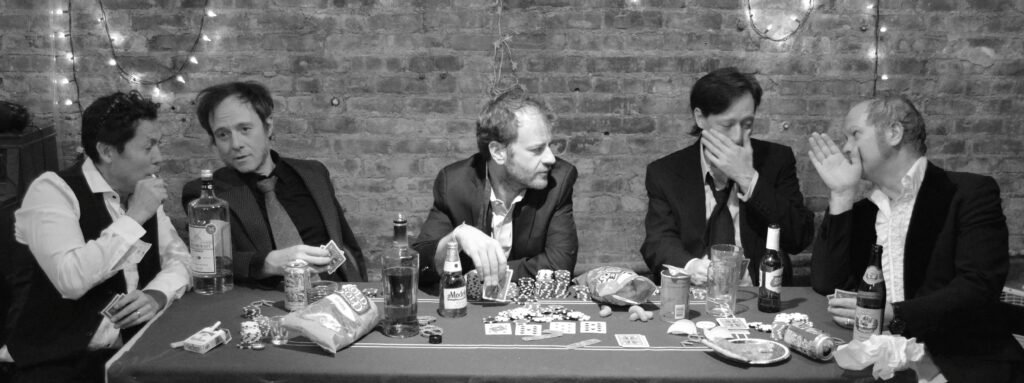
Entrevista (English)
Speaking of your sonic architecture, one of the most striking features of Be Well for me is how beautifully crafted the song introductions are. I really loved the way the songs start. As they build up progressively, introducing the melodies and slowly growing before the track fully kicks in… when you are arranging those types of introductions, is it something that you planned, or does it just come naturally to your process of making music?
Thank you for picking up on that, and that’s a big part I think of what we’re trying to do: set the right atmosphere for these songs and then have them present themselves in a way that’s interesting to people. So I’m glad you picked up on that. It really depends, right? Like, sometimes the idea will flow out of some kind of introduction that goes somewhere, and sometimes it’s sort of like, «Okay, well we’re gonna augment this song with some kind of interesting introduction.» For example, there’s a song on the record called «You Might Be Surprised». That intro was written after the body of the song had taken shape, and it was almost a throwaway idea, like, «Hey, what would happen if we just stuck with this idea for an almost painful amount of time to just, you know, kind of like a mantra?» And what would happen. And so we just tried it and it stuck, and it was literally not too long after that that we recorded the song. So sometimes it can just be an afterthought, or sometimes it can be in the planning stages of what we’re trying to do. It really depends.
I do actually have a question about that track specifically, «You Might Be Surprised». It works almost like a mantra. Utilizing high repetitive phrases that loop into the listener’s mind, and for me it created some kind of intimate connection with the rest of the album. What drew you to that specific hypnotic songwriting structure for this track?
Yeah, good question. I think the subject matter of that song is something… most of the songs on the record are about my neighborhood, my experiences within a very short period of time. And so that song carries a bit more weight than some of the other songs do, and so it felt right to essentially have something that would feel a bit more weighted to it. When you’re repeating a phrase over and over and over again, again you get to this place where you’re sort of like, «Okay, well maybe there’s something else going on here,» and I kind of wanted to really just center on that and make it have a bit more weight. I think that the track kind of accomplishes that. At its core is that sort of idea like, «Hey, you might be surprised if you were here with me now, if you could sort of see what I see, you might be surprised.» And it was just something I wanted to keep repeating in the song.
I really liked that sensation and emotion that that song is producing in the listener’s ear. While listening to Be Well, for me, I did recognize some really… like 90s alternative rock influence, like it’s the backbone of the album. You have a bit of a different vibe every once in a while in some songs, but structurally, aside from the fourth song and the last song… was it a conscious decision to be driven like that in that alternative sound from the 90s, like a core identity, or is it just hardcoded into your way of making music?
Good question. I mean, that’s the world I come from, right? 90s indie rock, I guess, and alternative music. And that music is largely inspired by 70s power pop, right? Which is also inspired by 60s folk and psychedelia, so it’s all sort of one big stream. So I’m not surprised about the fact that it has areas of 90s indie rock, because again, that’s the land that I come from. The bands that I had in the 90s and 2000s were all sort of very similar in terms of that style of music, and I just carry that with me wherever I go. And the musicians that are in the band with me, they all kind of come from that background as well. Different influences, but yeah, that’s probably why you’re seeing touches of that, maybe touches of folk, touches of acoustics, touches of psychedelia. But I love that period, man. There’s so many great things that I’m still discovering about that time of music. So I’m not surprised that it would rub off that way.
I have read that you are a really multi-instrumentalist—you play keys, guitar, bass, you sing. When you are in the process of making Be Well, do you lock yourself in the studio and produce/record the album by yourself, or do you have some band members or other people to help you with the process?
So the way the process usually works for us is that I’m sitting at home tinkering with the songs themselves. I’ll get them to a place where it’s presentable, I’ll present it to the band. Usually I’ll have a sense of direction about where I want things to go, but I kind of want to ask everyone for their opinions in terms of the arrangement. And I’m not… you know, we’re really recording as a band as opposed to me doing all the instruments like a Paul McCartney kind of thing where he’s playing everything. It’s not really like that. We have a drummer, I’d rather that drummer do the drums—I’m not a very good drummer. I do play bass, but we’ve got a great bass player in Chris, I’d rather he play the bass. I do lean on our guitar player Dave a bit just for sanity checks, because he’s a really talented arranger and mixer in his own right. But we’re all contributing, and usually the song gets there with us all sort of being comfortable about where it’s going.
Getting into some more details of the songs, this might be a weird thing I detected and it’s completely wrong, but I wanted to ask about a detail at the end of «Being Left Out of the Book», which sounded to me like a morse code or something like that. Is it intended, does it mean anything, or is it just me that I got it wrong?
You would have to ask that question to our keyboard player, Sean Teague. It was his graceful notes that you’re hearing, and I’m gonna defer to him about whether that means anything specific. I doubt it, but I don’t want to speak for him. Because that’s a great example of like, «You know what? You’ve got an idea, just run with it.» And then he just ran with it and we loved it. «Okay, let’s keep it, great.» Yeah, like even if it doesn’t mean anything, I loved the way it sounded. But once I listened to it for the second or third time I said, «Man, I wish this means something.»
After some songs that sounded a bit more 90s-like, «Weird Winter» comes and shifts gears completely into a country/folky landscape. It contains a very powerful lyric: «How are you gonna protect your mind from the highest heights?». Given the growing conversation around anxiety and mental health nowadays, does this song stem from a personal space of navigating those emotional highs and lows?
So, writing that song was from the perspective of… you know, we all deal with challenges like that. To think that anyone doesn’t have those challenges is folly to me. The song was written specifically about—not necessarily myself—but definitely something that I can relate to in terms of challenges. You know, we all have highs, we all have lows, some of us have really low lows. And so… I’m glad you picked up on that. That one’s got a bit of weight to it. And it was definitely written from the perspective of bewilderment. Like, the people I had in mind when I wrote it, I don’t know how they survived doing what they do. But they do. And that’s the other thing, is people get through. And if you’re lucky, you have a lot of help getting through.
The song «Advantage Rock» steps into a slightly more modern, indie alternative vibe from the 2000s or 2010s. For me, it’s a centerpiece of the album because it’s much longer than the rest of the songs, and it progressively evolves in a more psychedelic way into a majestic ending with that saxophone solo, with a really melancholic way of feeling it. It’s a bit of an ambiguous, beautiful way, and a bit niche. What led you to take that specific creative risk?
Well, for that one, again, the songs just kind of present themselves, right? So sometimes you’ll come up with something and it’s a great folk song and it lends itself to a folk song. For this one, that guitar riff just lends itself to some kind of weird psychedelic freak-out. And it’s like, «Okay, we’re gonna get there no matter what, even if the rest of the record doesn’t really sound like that, we’re gonna get there.» For that one, Dave the guitar player really helped a lot in terms of the arrangement. The modern weird guitar sounds that you hear on that are all him, really. I’m just playing normal stuff. He’s the master at that stuff, he’s so good at it. And one of the reasons I decided to give everybody writing credit for that one is because we were all really involved in taking it where it went. And then I knew I wanted to have something crazy at the end. It turns out that my friend Paul Shapiro, who’s like a mainstay of the Lower East Side jazz and funk world—he’s played with everybody from John Zorn to Lou Reed before he passed—I was like, «Hey man, you wanna come play on our record?» He’s like, «Absolutely.» And he came and just laid down these amazing tracks that we comped into what you hear on the record. I think that might be my favorite part on the record, just hearing him wail, because he just goes for it. It’s amazing.
Going to the closure of the album, which is a really, really different vibe. For me it’s a beautiful closer, «Breathe Me In». A beautiful contrast through the grand scale of the rest of the album. It’s just you and an acoustic guitar. Was it important for you to strip away all the layers and finish Be Well on such an intimate, vulnerable note?
So it’s… yeah, you’re right. That song, again another personal one, the song itself just lent itself to a straight ahead me and guitar. I recorded it myself at home on my 4-track. Now that had a little bit of weird coincidence happening where… it’s a long story, but we ended up recording the record at our practice space. Dave Hollinghurst, the guitar player, was the engineer. But at some point through the process, the building got sold, we got evicted, we had no place to play anymore for a while. But I still wanted to do that song, and so it worked out perfectly because that song lent itself to that spare arrangement. It also lent itself to being recorded on 4-track and having those… just that beauty of the tape cassette rolling. It worked out really well, I don’t think it would have worked as well in a sterile environment. Even in our practice space, I don’t think it would have worked as well.
Now we have three questions that we do to all the artists to see the difference between each one. The first thing we’d like to ask is about your musical chronology. Since you were born and have your first memories, what music was sounding in your life?
So for me, my parents were very big music fans. My mom was actually in a folk group in the 60s that didn’t go anywhere, but she was sort of in a little folk group in Toronto, which is great. But I was listening to music like very young, like at one or two. They had Jimi Hendrix’s Are You Experienced on the turntable and I was popping around to that. And Beatles records. So, you take that, and then maybe college era, when I was listening to The Velvet Underground and really getting into like an alternative way of looking at music. Captain Beefheart, Big Star was another really big influence on me. I got into them in college too.
If you could go back in time and rewrite or place your music as the soundtrack for any existing movie in cinema history, which film would you choose?
Ah, so it’s probably a trick question, but man, there’s nothing better than Goodfellas when the camera rolls up and it’s Derek and the Dominos, you know? That’s just the greatest. So yeah, sure, I’ll superimpose my music on top of that instead and have some kind of Scorsese amazing moment, that would be perfect for me.
To wrap things up, could you share a funny or impactful anecdote from your years on the road or the studio that stays with you?
I mean, we talk about… you know what, here, this is a good one. My guitar player is a huge Sebadoh fan, as am I. We love Sebadoh, they’re great. My Toronto band 4-Star Movie was trying to be some kind of version of Sebadoh. There are times when we practiced when he’ll just recreate these tapes that Lou Barlow had made to play before their own performances. The guitar player, Dave, will sort of try to recreate that a little bit and that always makes me smile. There’s one thing very specifically when I think Lou Barlow says on this tape like, «Oh no, it’s Sebadoh!» or something, and so Dave will just say that randomly at practice and that just makes me crack up every time.
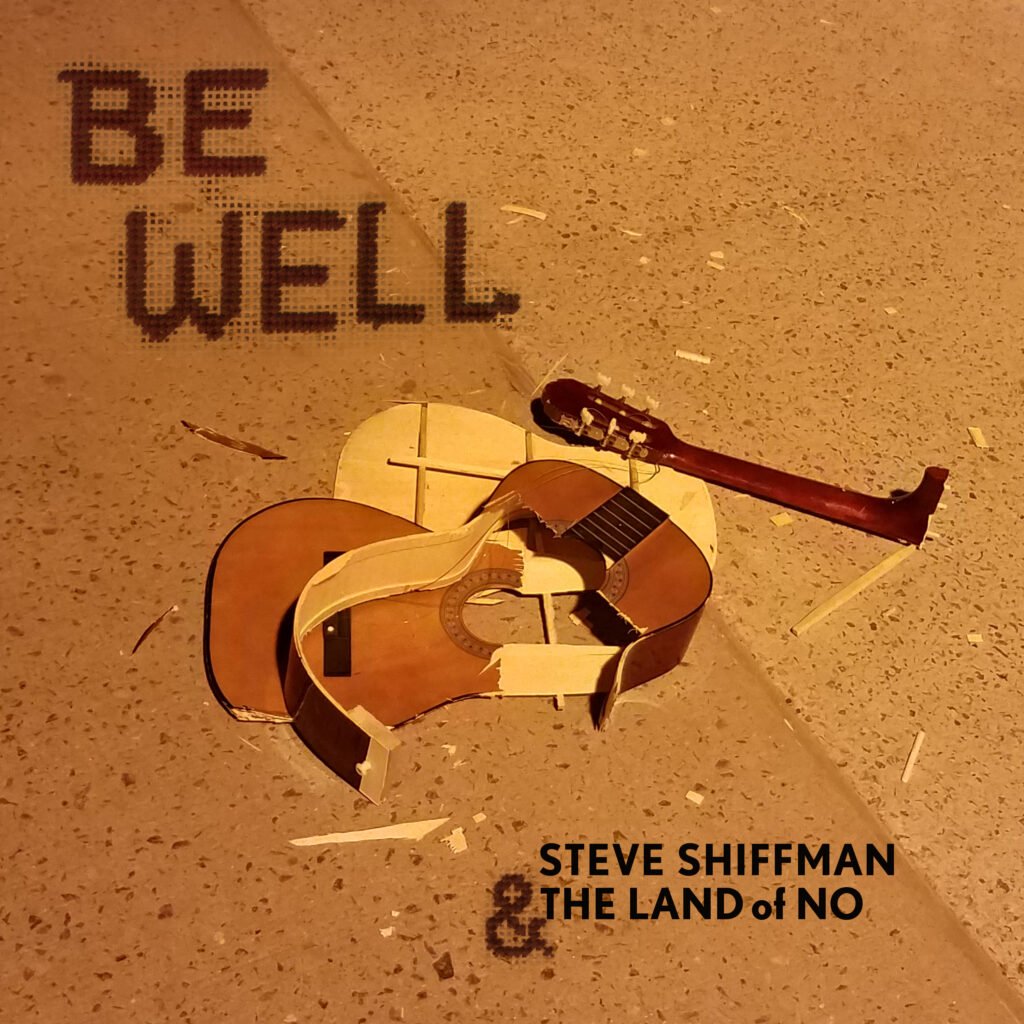
Escucha a Steve Shiffman & The Land of No
No pierdas la pista en Instagram, Youtube y en su Spotify oficial