
«F*ck you, this is what we do» – Temples nos habla de su nuevo álbum ‘BLISS’
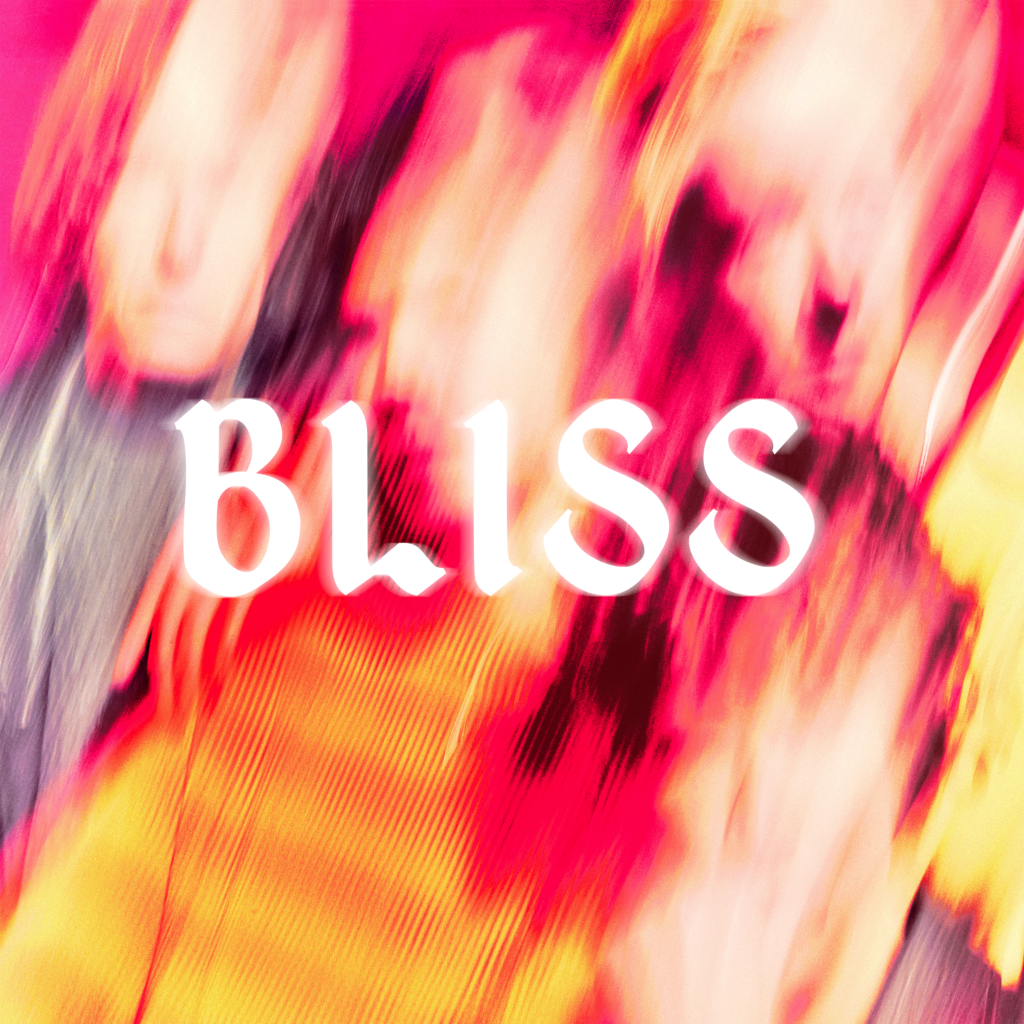
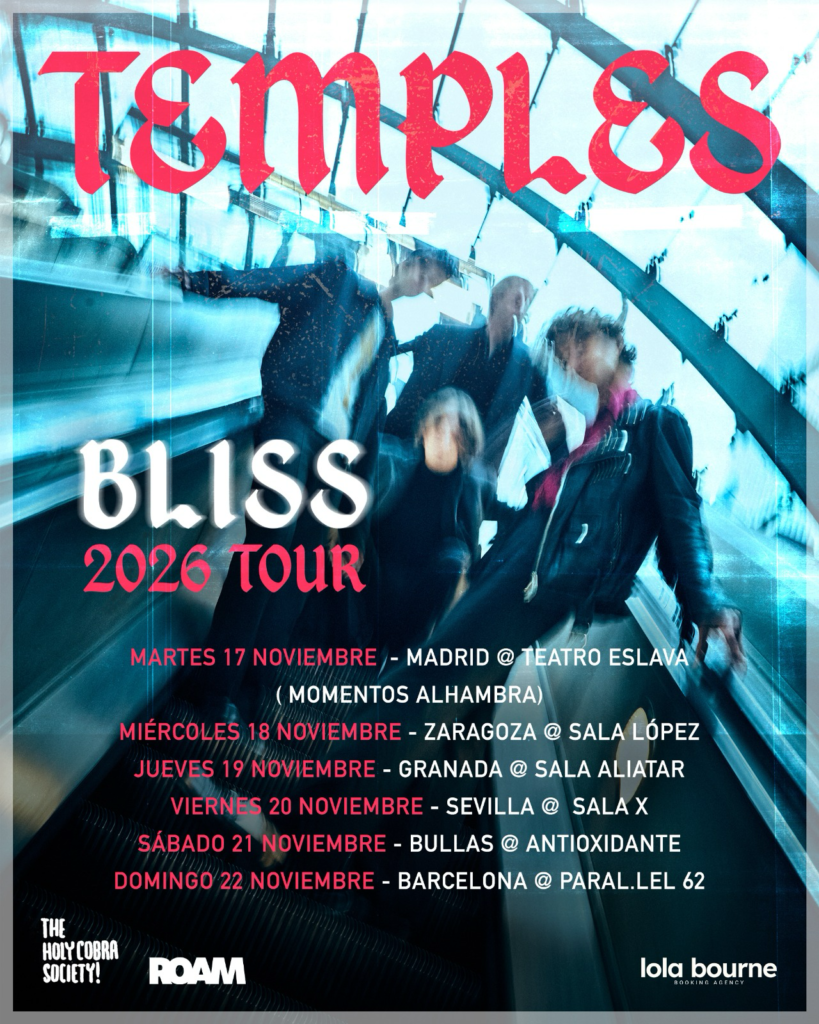
Entrevistamos a Temples por el estreno de su nuevo álbum ‘BLISS’ el próximo 26 de Junio de 2026. Hablamos de su gira por España para presentar este trabajo.
Con «BLISS» a punto de ver la luz, Temples abre un nuevo capítulo en su trayectoria. Tras la densa y expansiva psicodelia de Exotico, la banda británica toma las riendas de la producción para sumergirse en lo que ellos mismos definen como una «euforia melancólica». Hablamos con James Bagshaw, Adam Smith y Rens Ottink sobre cajas de ritmos, cantos gregorianos, la ansiedad moderna y por qué este álbum es su declaración de intenciones más visceral hasta la fecha.
Entrevista (Español)
Álvaro (NoSoloIndie): Muchas gracias a todos por dedicar un rato a charlar con nosotros hoy. Con «BLISS» saliendo la semana que viene, el día 26, hemos estado escuchando el disco en bucle. Queríamos sumergirnos en esta nueva «euforia melancólica» y en vuestro proceso de producción. Después de trabajar con Sean Ono Lennon en Exotico, tomasteis las riendas de la producción para este álbum. Habéis mencionado que tratasteis el proceso casi como un collage, sampleando y manipulando vuestras propias pistas. ¿Os dio este enfoque más intuitivo y casero mayor libertad para alcanzar ese sonido electrónico de finales de los 90 y principios de los 2000?
James Bagshaw: Sí, creo que sí. Cuando empiezas el proceso de hacer un álbum, nunca sabes realmente lo inspirado que vas a estar, ya sabes, después de unos meses de darle vueltas a las canciones e intentar darle sentido a cada una… supongo que nunca sabes si tienes lo que hay que tener para llevarlo hasta el final, hasta que lo consigues. Y creo que en este disco, el proceso de cómo hicimos las canciones… a veces en la etapa inicial, cuando solo tienes la chispa de una idea, a veces eso es porque te has sampleado a ti mismo cantando o lo has tocado en un teclado y se te han ocurrido ideas que normalmente no tendrías. Pero también usando técnicas como el auto-sampleo en una etapa posterior de la producción, cuando sientes que te falta algún enlace o necesitas algo fresco… de esta manera terminas tropezando con nuevos sonidos, nuevas melodías, nuevos ritmos. Y a veces es muy accidental… simplemente juegas con las cosas hasta que realmente funcionan. Supongo que no necesitábamos ninguna ayuda en este disco, y tampoco creo que quisiéramos ayuda. Estábamos bastante contentos.
Álvaro: Tener tu propio proceso creo que es algo mágico en cierto modo… sientes que el producto de tu trabajo es completamente tuyo.
Adam Smith / Rens Ottink: Sí, totalmente.
Ismael (NoSoloIndie): La banda ha descrito el espíritu del disco como una «euforia melancólica», bebiendo de la escena de Ibiza y de grupos como Underworld o Massive Attack. En temas como Jet Stream Heart o Vendetta, ¿cómo equilibráis la necesidad física de bailar con ese peso emocional subyacente?
James Bagshaw: Creo que gran parte de la melancolía proviene de las partes armónicas de la obra y de la melodía, por supuesto. Eso es una gran parte de la música de baile también de cierta época, es como una melancolía implícita en lugar de ser muy directa. Y creo que es probablemente nuestro disco más bailable, simplemente por la forma en que lo abordamos. Así que supongo que así es como lo equilibramos, no es súper obvio en ninguna de las dos direcciones, es casi como un desajuste. Y luego las letras también, algunas de las letras son las más directas y auto-inquisitivas, y probablemente nuestras letras más honestas hasta ahora. Así que creo que todas esas tres cosas juntas, con suerte, logran ese sentimiento.
Álvaro: En el segundo corte del álbum, Revelations, el inicio arranca con un canto gregoriano, rompiendo por completo las expectativas… Desde el punto de vista de la producción, ¿cómo llegasteis a la conclusión de que ese era exactamente el arreglo que necesitaba un disco como este?
Adam Smith: Fue idea de Tom lo del canto gregoriano.
James Bagshaw: Sí, fue idea de Tom. Hay un cierto tipo de música de aquella época, quizás un poco más tarde que finales de los 90, quizás en los 2000, donde hubo un año o dos en los que la gente usaba bastantes cantos gregorianos sampleados en su música de baile, y creo que eso inspiró a Tom a tener esa idea. Y luego creamos nuestro propio canto y nos sampleamos a nosotros mismos haciéndolo. Con teclados y cosas detrás también. Así que era como un sample que no queríamos usar de un tercero, así que nos sampleamos a nosotros mismos para hacerlo. Cuando Tom ha hablado de ello, ha dicho que quería hacer algo en esa canción que estuviera lo más alejado posible de lo que es un «sonido de banda».
Ismael: En Megalith, usando ese «can’t keep the world round, round…», musicalmente es abrumadora, pero líricamente transmite esa ansiedad moderna de que todo se desmorona. ¿Es Bliss vuestra forma de exorcizar esa pérdida de control?
Adam Smith: Sí, con todo desmoronándose a nuestro alrededor y todo eso, ¿es «BLISS» nuestra forma de equilibrarlo? No lo sé, no diría que haya sido algo consciente. Ya sabes, el mundo está pasando por cosas, pero realmente no reaccionamos conscientemente a ello, no es algo de lo que nos sentemos a hablar como grupo. Así que creo que tal vez a un nivel subconsciente… y la banda ha pasado por algunos problemas en los últimos tres o cuatro años también, así que supongo que Bliss realmente fue el sentimiento de poder escribir un álbum con total libertad. Siempre hemos hecho eso, para ser justos, pero esta vez… tal vez fue solo el enfoque que tomamos, realmente se sintió como algo liberador.
James Bagshaw: Y también, ya sabes… siempre hacemos nuestros propios discos, por eso estamos en sellos independientes. Pero después de cambiar de sello y en el período intermedio de mudarnos a un nuevo sello discográfico, lo único que realmente podíamos hacer era centrarnos en lo que estábamos haciendo. Y hay algo, ya sabes, tal vez de rebeldía contra… tal vez ser decepcionado por la gente. Porque obviamente en la industria de la música no es solo lo que estás haciendo musicalmente, es que tienes a otras personas trabajando para ti. Y la gente intentando ayudar a que la música salga a la luz… porque no podemos simplemente tenerla en nuestros ordenadores o en nuestras máquinas de cinta. Tiene que salir al mundo. Y creo que en este disco la actitud… de todos nuestros discos, este es probablemente el que tiene la actitud punk rock más pura, si entiendes lo que quiero decir. Verdadero, sea lo que sea que eso signifique para mí de todos modos… ese ethos de «que os jodan, esto es lo que hacemos, lidiad con ello». Es pop, pero también es anti-pop, porque es un poco desagradable y sórdido y distorsionado. Así que para mí hay una actitud real, especialmente en las voces, es mi forma de cantar con más actitud, y no solo cantando melodías en falsete. Es un poco más afilado. Y eso probablemente viene de la frustración de lo que pasó tal vez con el último disco, para ser honesto.
Rens Ottink: Sí, es lo mejor de hacer música, que es donde tenemos el control total. Tienes el control del proceso, frente a otras cosas de la industria que no puedes controlar. Es liberador.
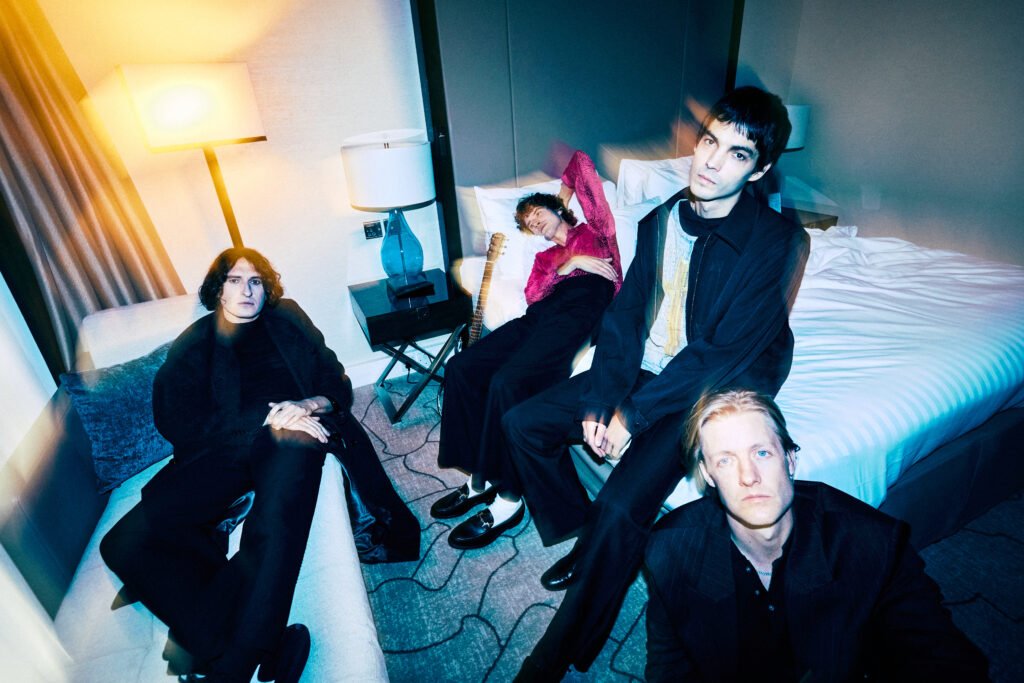
Álvaro: Respecto a «Blue Flame«, habéis comentado que es una historia de advertencia sobre refugiarse en la tecnología en lugar de en la naturaleza, lo que lleva a la separación humana. ¿Sentís que el volumen alto, la pista de baile y la música en directo son algunas de las mejores herramientas que nos quedan para combatir ese aislamiento moderno y reconectar físicamente?
James Bagshaw: ¿Con la música en directo? Sí, definitivamente. Incluso tocando estas… solo hemos tocado dos canciones nuevas hasta ahora en los shows en España (Jet Stream Heart y Vendetta), pero solo ver la reacción con el público cuando las canciones ni siquiera han estado publicadas tanto tiempo, de eso se trata. No piensas en eso realmente cuando lo estás escribiendo, pero cuando sales y haces eso y hay esa conexión con extraños, de verdad, te une. Y creo que es la forma más rápida y probablemente más efectiva de tener algún tipo de comunión con la gente, excepto quizás por eventos religiosos o políticos. Se siente en la misma línea, probablemente a menor escala. Pero es maravilloso ser parte de ello.
Adam Smith: También es hermoso cuando no esperas que una canción, que estás escribiendo simplemente porque te gusta tal como es, luego resuene y vibre con la gente tan bien. Es mágico. Y sobre el aislamiento que comentabas… también es divertido cómo el mundo digital aísla a la gente, pero siempre ha habido una separación entre bandas y fans, ¿verdad? Llegas a una sala, vas al backstage, no caminas por ahí… y luego sales al escenario y ese es el momento de conectar. Muchas veces es difícil procesar lo que tu música significa para ellos porque te has pasado horas sentado en bata en tu casa teniendo ideas, y de repente estás frente a toda esa gente. Es una lección de humildad.
Ismael: Tenéis una gira masiva por delante, y volvéis a España para una gira de salas en noviembre que pasará por Madrid, Zaragoza, Granada, Sevilla, Bullas y Barcelona. ¿Cómo protegéis la química y la energía de la banda para aseguraros de que el último concierto suene tan vital como el primero?
James Bagshaw: Aún no hemos empezado… Con toda honestidad, no hemos girado de forma tan intensiva desde hace bastante tiempo. Pero realmente tratamos cada concierto con la misma importancia que el siguiente. Y también, genuinamente estamos emocionados por tocar y hacer una gira española porque realmente no hemos hecho una gira allí per se, simplemente hemos volado, hecho algunos festivales y un par de shows, pero esto es una gira de verdad. Y creo que para el final estaremos cansados, por supuesto, pero el público español es muy enérgico también, así que con suerte ellos nos ayudarán a aguantar el tirón.
Álvaro: Para ir terminando, os proponemos unas preguntas rápidas. Un escenario o sala en cualquier parte del mundo que siga en vuestra lista de deseos por conquistar.
James Bagshaw: Creo que Red Rocks sería divertido en Estados Unidos. Porque es simplemente precioso.
Adam Smith: Madison Square Garden. Y en Europa, en París, el Olympia. Creo que eso es algo más alcanzable en los próximos años que el Madison Square Garden.
Rens Ottink: A mí me encantaría tocar en la sala principal de Paradiso.
Ismael: Una película, clásica o reciente, a la que os habría encantado ponerle la banda sonora.
James Bagshaw: Eso es difícil. Quizás la película de animación de Disney de 1967, El Libro de la Selva. Aunque la banda sonora ya es perfecta, sería divertido intentarlo.
Adam Smith: ¿Puede ser una serie también? La música incidental de The White Lotus es muy agradable. Increíblemente única. Sé que el compositor no repetirá en la próxima temporada, así que ya veremos.
Rens Ottink: Me encantaría hacer Midnight Cowboy.
Álvaro: Si pudierais viajar en el tiempo para ver un concierto histórico de una banda que ya no existe, ¿cuál elegiríais?
James Bagshaw: Creo que volvería a 1966 a ver a Bob Dylan tocar cuando se pasó a la guitarra eléctrica… ya sabes, el famoso concierto del «Judas». Me habría gustado estar ahí.
Adam Smith: Lo mío tendría que ser Elvis. Su especial de regreso a la televisión (Comeback Special). Es súper icónico y después de tanto tiempo fuera, volver con esa confianza ridícula… es increíble de ver.
Rens Ottink: Me encantaría ver un concierto de Bowie de la época de los 70.
Ismael: Echando la vista atrás a vuestra carrera, ¿cuál de vuestros propios conciertos os ha sorprendido más por la energía del público o una reacción inesperada?
James Bagshaw: Creo que, para mí, sería cuando tocamos en Glastonbury en el escenario John Peel. No creo que ninguno de nosotros esperara que estuviera tan lleno, y estábamos muy al principio de nuestra carrera, así que fue un momento importante para mí.
Adam Smith: El Vida Festival. Hicimos una versión de Mesmerise que debió durar como 15 minutos porque tuvimos que dejar de tocar. El público estaba cantando la melodía tan fuerte que no podíamos ni hacer nuestra parte de improvisación. Tuvimos que parar y dejarles cantar. Fue una locura.
Rens Ottink: Para mí fue el primer concierto que toqué con Temples, el Bilbao BBK en 2018. Estaba llenísimo y fue increíble.
Álvaro: Por último, compartid con nosotros un recuerdo que consideréis imborrable de vuestra historia como banda, ya sea por lo increíble, raro o divertido.
James Bagshaw: Hablábamos de esto el otro día. Creo que tocar con los Rolling Stones es algo bastante importante. Recuerdo estar en el backstage caminando, y vi a Charlie Watts en su traje… y él simplemente miró hacia nosotros y me hizo un gesto de saludo con la cabeza, y eso fue una maldita locura.
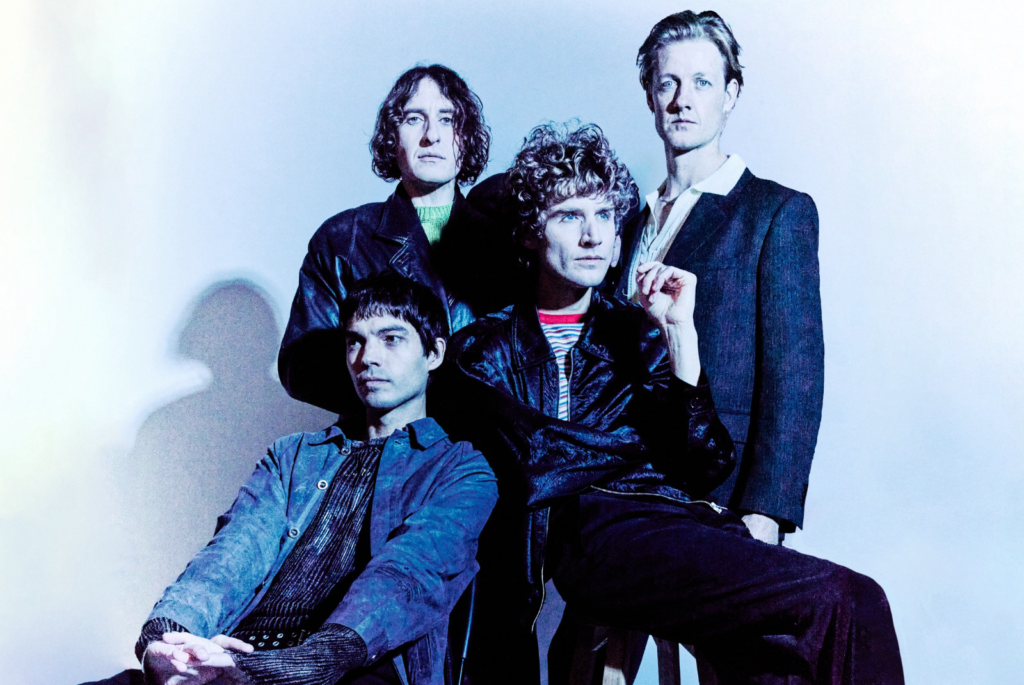
Interview (English)
Álvaro: Thank you all for taking the time to chat with us today. With «BLISS» dropping next week on the 26th, we’ve been listening to the record on repeat. We really wanted to dive into this new ‘melancholic euphoria’ and your production process. After working with Sean Ono Lennon on Exotico, you took the production reins for this album. You’ve mentioned treating the process almost like a collage, sampling and manipulating your own stems. Did this intuitive, in-house approach give you more freedom to reach that late 90s, early 2000s electronic sound?
James Bagshaw: Yeah, I think so. When you start the process of making an album, you never really know how inspired you’re going to be, you know, after a few months of hammering away at songs and trying to sort of realize each song… I guess you never really know whether you have what it takes to take it the whole way, until you know. And I think on this record, the process of how we made the songs… sometimes in the initial period when you’ve just got a spark of an idea, sometimes that’s because you’ve sampled yourself singing or you’ve played it on a keyboard and come up with ideas that you wouldn’t normally. But also using techniques like self-sampling in a later stage of production when feeling like you have some kind of missing link or need something fresh… in a way, by working in this way you end up stumbling on new sounds, new melodies, new rhythms. And sometimes it’s very accidental… you just play with stuff until it really works. I guess we didn’t need any help on this record, and I don’t think we wanted any help. We were quite happy.
Álvaro: Having your own process I think it’s something magical in a way… you feel the product of your work is entirely yours.
Adam Smith / Rens Ottink: Yeah, totally.
Ismael: The band has described the spirit of the record as ‘melancholic euphoria’, drawing from the Ibiza scene and acts like Underworld or Massive Attack. In tracks like Jet Stream Heart or Vendetta, how do you balance the physical need to dance with that underlying emotional weight?
James Bagshaw: I think a lot of the melancholy comes from the sort of harmonic parts of the work and the melody, of course. That’s a big part of dance music as well from a certain era, it’s sort of like an implied melancholy rather than really direct. And I think it’s probably our most danceable record, just because of the way we went about it. So I guess that’s how we balanced it really, it’s not super obvious in either direction, it’s kind of like a mismatch. And then the lyrics too, some of the lyrics are our most direct and self-inquisitive, and probably our most honest lyrics so far. So I think all of those three together hopefully achieves that sort of feeling.
Álvaro: In the second cut of the album, Revelations, the opening of it starts with a Gregorian chant, completely shattering expectations… From a production standpoint, how did you come to the conclusion that that was the exact arrangement that a record like this needed?
Adam Smith: It was Tom’s idea, the Gregorian chant thing.
James Bagshaw: Yeah, it was Tom’s idea. There’s a certain type of music again from that era, maybe a little bit later than the late 90s, maybe 2000s, where there was a year or two of people using quite a lot of sampled Gregorian chant in their dance music, and I think that inspired Tom to have that idea. And then we created our own chant and sampled ourselves doing it. With sort of keyboards and stuff behind it as well. So it was like a sample that we didn’t want to use from a third party, so we sampled ourselves to do it. When Tom has been talking about it, he’s been saying that he wanted to do something on that song that was so far away from us being a «band sound».
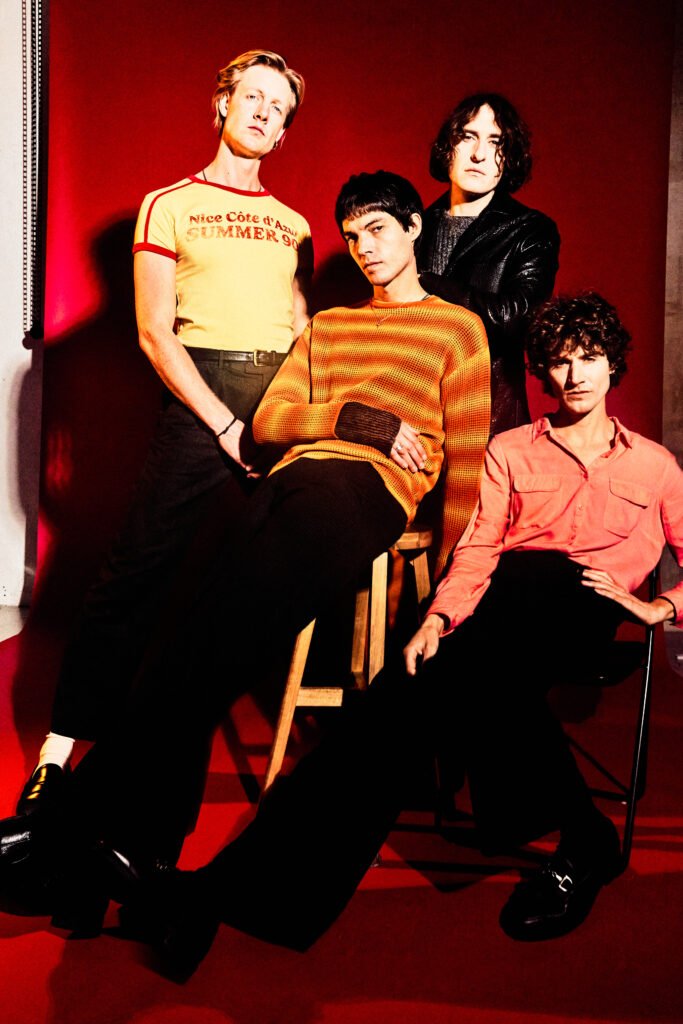
Ismael: In Megalith, using that «can’t keep the world round, round…», musically it is overwhelming, but lyrically it conveys that modern anxiety of everything falling apart. Is Bliss your way of exorcising that loss of control?
Adam Smith: Yeah, everything falling apart around us and what have you, is Bliss our way of balancing that out? I don’t know, it wouldn’t have been a conscious thing. You know, the world is going through stuff but we don’t really consciously react to it, it’s not something we sit down and talk about as a group of people. So I think on a subconscious level perhaps… and the band have gone through some troubles in the last three or four years too, so I suppose Bliss really was the feeling of being able to write an album with complete freedom. We’ve always done that to be fair, but this time around… maybe it’s just the approach that we took, it really felt like a freeing thing.
James Bagshaw: And also, you know… we always make our own records, that’s why we’re on independent labels. But after changing record labels and in the period in between moving to a new record label, the only thing we really could do was just focus on what we were doing. And there is something, you know, maybe revolting against… maybe being let down by people. Because obviously in the music industry it’s not just what you’re doing musically, it’s like you’ve got other people working for you. And people trying to, you know, help the music get out there… because we can’t just have it on our computers or on our tape machines. It has to get out to the world. And I think on this record the attitude… out of all of our records this has probably got the most pure punk rock attitude, if you get what I mean. True, whatever that is to me anyway… that ethos of ‘F*** you, this is what we do, deal with it’. It’s pop, but it’s also anti-pop as well, because it’s kind of quite nasty and sleazy and distorted. So for me there’s a real attitude, especially with the vocals, it’s the most attitude I’ve had singing, and not just singing falsetto melodies. It’s kind of a little bit edgier. And that’s probably out of frustration of what happened maybe with the last record, to be honest.
Rens Ottink: Yeah, that’s the best thing about making music, that’s where we have total control. You are in control of the process, versus other stuff in the industry that you can’t control. It’s freeing.
Álvaro: Regarding Blue Flame, you’ve stated it’s a cautionary tale about taking refuge in technology rather than nature, leading to human separation. Do you feel that high volume, the dance floor and live music are some of your best remaining tools to fight that modern isolation and reconnect physically?
James Bagshaw: With live music? Yeah, definitely. Even just playing these… we’ve only played two new songs so far on the Spanish shows (Jet Stream Heart and Vendetta), but just seeing the reaction with the audience when the songs haven’t even been out that long, that’s what it’s all about. You don’t think about that really when you’re writing it, but when you go out and do that and there is that connection with strangers, really, it brings you together. And I think it’s the quickest and probably most effective way of having some sort of communion with people except for maybe religious events or political events. It feels in the same ballpark, probably on a smaller scale. But it’s wonderful to be a part of.
Adam Smith: It’s also beautiful when you don’t expect a song that you are just writing because you like it as is, to then resonate and vibrate with the people this well. It’s magical. And about the isolation you mentioned… it’s also funny how the digital world is isolating people, but there’s always been a separation between bands, artists, and fans, right? You get to a venue and you go backstage and you don’t walk around… and then you go on stage and that’s the time you get to connect. Many times it is hard to comprehend what your music means to them because you’ve just sat there, you know, in your dressing gown coming up with ideas, and suddenly you are in front of all these people. It’s very humbling.
Ismael: You have a massive tour ahead, returning to Spain for a club tour in November hitting Madrid, Zaragoza, Granada, Seville, Bullas, and Barcelona. How do you protect the band’s chemistry and energy to ensure the last show sounds as vital as the first one?
James Bagshaw: We haven’t started yet… In all honesty, we haven’t toured quite this intensively for quite a while. But we really do treat every gig as importantly as the next. And also, we are genuinely excited about playing doing a Spanish tour because we’ve not really done a tour per se, we’ve just kind of flown in and out, done some festivals and a couple of shows, but this is a real tour. And I think we will be tired by then, of course, but the Spanish audience are very energetic as well, so hopefully they’ll help us through it.
Álvaro: To wrap things up, we have some quickfire questions. A stage or venue anywhere in the world that it’s still on your bucket list to conquer.
James Bagshaw: I think Red Rocks would be fun in the US. Just because it’s so beautiful.
Adam Smith: Madison Square Garden. And in Europe, in Paris, the Olympia. I think that’s maybe more achievable in the next couple of years than MSG.
Rens Ottink: I would love to play the main hall in Paradiso.
Ismael: A movie, classic or recent, that you would have loved to score.
James Bagshaw: That’s difficult. Maybe the 1967 Disney Jungle Book animation. Even though the score is perfect as it is, it would be fun to try and do it.
Adam Smith: Can it be a series as well? The incidental music on The White Lotus is very nice. Incredibly unique. I know the composer is not going to be on the next one, so we’ll see.
Rens Ottink: I would love to do Midnight Cowboy.
Álvaro: If you could time travel to see a historic gig by a band that no longer exists, which one would you choose?
James Bagshaw: I think I’d go back to 1966 and see Bob Dylan play when he first went electric… you know, the famous «Judas» gig. I would have liked to have been at that.
Adam Smith: Mine would have to be Elvis. His Comeback Special. It’s super iconic and after such a gap, coming back with just ridiculous confidence… it’s amazing to watch.
Rens Ottink: I would love to see a Bowie show from the 70s era.
Ismael: Looking back at your career, which of your own shows surprised you the most because of the crowd’s energy or an unexpected reaction?
James Bagshaw: I think probably for me it would be when we played Glastonbury and we played the John Peel stage. I don’t think any of us were expecting it to be so busy, and we were quite early on in our career, so that was quite a moment for me anyway.
Adam Smith: Vida Festival. We did a version of Mesmerise… it must have been like 15 minutes long because we had to stop playing. The crowd were singing the melody so loud that we couldn’t even do our improvisational part. We had to just stop and let them sing it. It was mental.
Rens Ottink: For me it was the first show I played with Temples, Bilbao BBK in 2018. It was really crowded and it was amazing.
Álvaro: Finally, share with us a memory of yours that you consider unforgettable in your history as a band, whether it’s because it’s incredible, weird or funny.
James Bagshaw: We were talking about this the other day. I think playing with the Rolling Stones is a pretty big deal. I remember being backstage and walking, and I saw Charlie Watts in his suit… and he just sort of looked over and sort of gave a nod, and that was just fucking mental.
Escucha a Temples
No pierdas la pista en su Spotify oficial: Temples en Spotify